
What is Executive Coaching? Understanding its Role in Leadership Development


Key Takeaways
- Executive coaching is a tailored, collaborative process designed to enhance the performance of high-level leaders by improving self-awareness, leadership skills, and effectiveness.
- Different types of executive coaching, including performance, leadership, and transitional coaching, cater to specific needs, enabling tailored personal and professional development approaches.
- The Mind Strength MethodTM is a prominent framework in executive coaching that helps clients set goals, build a resilient high performance mindset, and commit to strategically aligned actions, promoting a results-oriented approach to leadership development.
Defining Executive Coaching with Dr Jodie’s Mind Strength MethodTM

- Achieve mental strength, resilience and wellbeing
- Master your mindset and build emotional intelligence
- Overcome performance blockages with neuroscience based solutions
- Achieve strategic goals with confidence, assertiveness and influence
- Build engaged, cohesive and high performing teams
- Build a strategic and values-aligned, high performance culture of psychological safety and growth.
Types of Executive Coaching
Executive coaching with Dr Jodie’s Mind Strength MethodTM is not a one-size-fits-all solution; it encompasses various types designed to address specific needs and challenges.Recognising these types can help executives and organisations choose the most suitable coaching approach.Performance coaching aims to enhance an executive’s professional performance by identifying strengths and areas for improvement and setting measurable goals. Often following performance appraisals, this coaching focuses on boosting work performance through targeted strategies.Leadership coaching focuses on developing coaching skills like emotional intelligence, decision-making, and strategic thinking. It helps leaders tackle specific challenges, fostering growth and enhancing their leadership effectiveness.Transitional coaching helps executives and senior managers adapt to significant career transition changes, such as new roles or organisational shifts. It helps leaders manage new expectations and responsibilities, ensuring smooth transitions and sustained success.
The Executive Coaching Process

Key Benefits of Executive Coaching
Executive coaching provides numerous benefits that significantly enhance a leader’s effectiveness. One primary advantage is improved communication skills. Leaders learn to communicate more strategically and effectively through coaching, leading to better team outcomes and stronger organisational performance.Another key benefit is enhanced strategic thinking. Executive coaching equips leaders with the tools and perspectives to navigate complex business challenges and make informed decisions. Enhanced decision-making is crucial for driving organisational success.Personal growth is another significant outcome of executive coaching. Leaders develop greater self-awareness and emotional intelligence, which are essential for effective leadership.For example, a senior executive of a multinational financial institution overcame self-doubt and developed a confident leadership style, positively impacting his team and personal life after executive coaching.Overall, executive coaching leads to improved performance, increased productivity, and better organisational outcomes. By fostering personal and professional growth, executive coaching helps leaders unlock new possibilities and achieve long-term goals.Finding the Right Executive Coach

The GROW Model in Executive Coaching
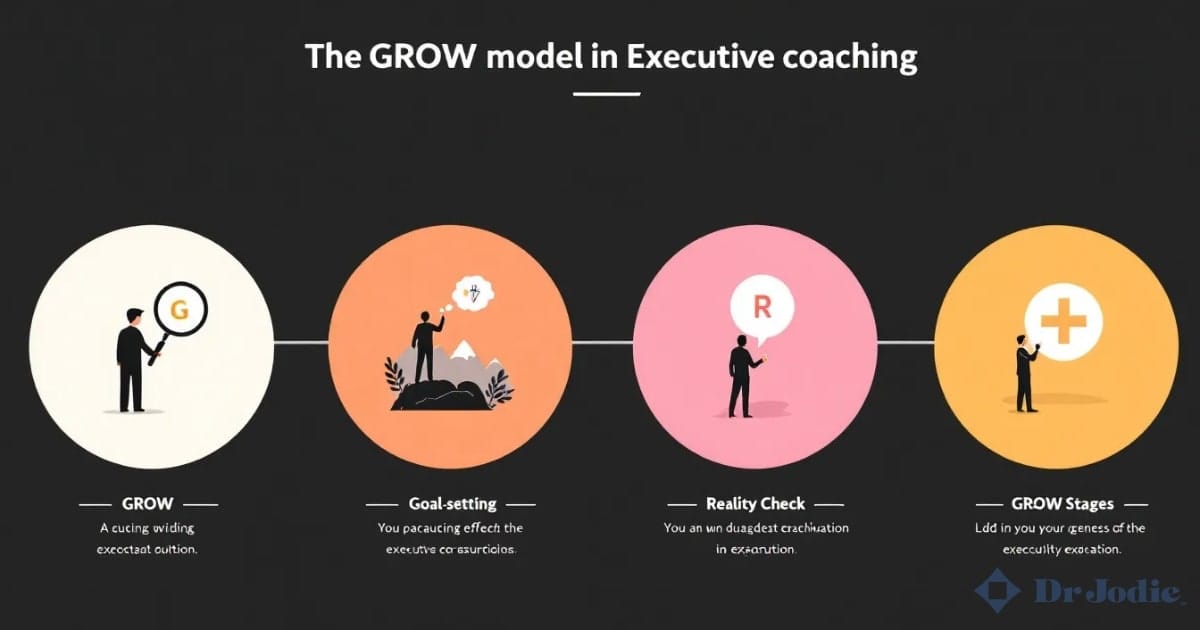
The GROW model is a widely recognised executive coaching framework known for its straightforward and effective approach.It helps clients define goals and outline steps to achieve them. This model adapts to various coaching styles, offering flexibility in session structure based on client needs.In the ‘Reality’ phase, clients reflect on their current circumstances and identify obstacles. This reflection is crucial for understanding the gap between their current state and their goals.In the ‘Options’ phase, clients generate various solutions and ideas to move forward, including their own solutions. This phase fosters creativity and innovation, resulting in actionable plans.In the final ‘Will do’ component, clients commit to and plan actionable steps towards their goals. By emphasizing a results-oriented process, the GROW model helps executives achieve tangible outcomes in their leadership development.
Building Trust and Confidentiality
Trust and confidentiality are the cornerstones of effective coaching. The relationship between a coach and an executive is built on trust, focusing on self-awareness, emotional intelligence, and influence. Understanding a coach’s ethical practices and confidentiality measures is essential for trust.Ensure that your coach has the credentials to adhere to a strict code of ethics, mandating confidentiality throughout the coaching relationship. Effective coaching requires open communication about confidentiality from the start. This ensures clients feel safe and supported, knowing their information is protected by a professional certified coach.Confidentiality ensures all information shared during coaching is protected unless clients choose to disclose it. Trust is fostered when clients are assured their information will remain confidential, creating a safe and supportive environment for growth.How Executive Coaching Differs from Other Development Methods
How Organisations Can Support Executive Coaching
Organisations play a crucial role in supporting executive coaching. Leadership support is vital; when senior leaders actively participate, it fosters a culture of learning and growth. This involvement demonstrates the organisation’s commitment to development.Providing feedback to the executive coach can help tailor sessions to better meet the executive’s needs. Facilitating open communication about the coaching experience among staff can demystify the process and encourage more executives to engage.The discussion of confidentiality often includes the client’s manager, ensuring clarity and support without breaching privacy. This collaborative approach creates a supportive environment, maximizing the benefits of executive coaching.Summary
Executive coaching serves as a dynamic tool for leadership development, providing a wide array of benefits such as improved communication skills, strategic thinking, and personal growth. Through a structured coaching process led by seasoned coaches, leaders are empowered to reach their full potential and drive organizational success.By recognising the various types of executive coaching, choosing the right coach, and building a trusting relationship, leaders and organisations can explore new opportunities and achieve their long-term objectives.Executive coaching goes beyond merely enhancing performance; it serves as a comprehensive tool for leadership development. This understanding is essential for anyone asking, “What is executive coaching”.If you’re ready to elevate your leadership skills and achieve your professional goals, consider reaching out to Dr Jodie for expert executive coaching in Sydney. With a focus on unlocking potential and driving organisational success, Dr Jodie provides tailored coaching solutions for high-performing leaders.
Frequently Asked Questions
What is executive coaching?
Executive coaching is a valuable method designed to aid leaders in improving their performance and reaching their professional objectives by unlocking their full potential.
Who can benefit from executive coaching?
Executive coaching can significantly benefit high-performing individuals, especially senior leaders and C-suite professionals, as it helps enhance their leadership capabilities.
What are the different types of executive coaching?
Executive coaching encompasses various types, including performance coaching, leadership coaching, and transitional coaching, each tailored to address distinct challenges and enhance specific competencies.
How does executive coaching differ from mentoring?
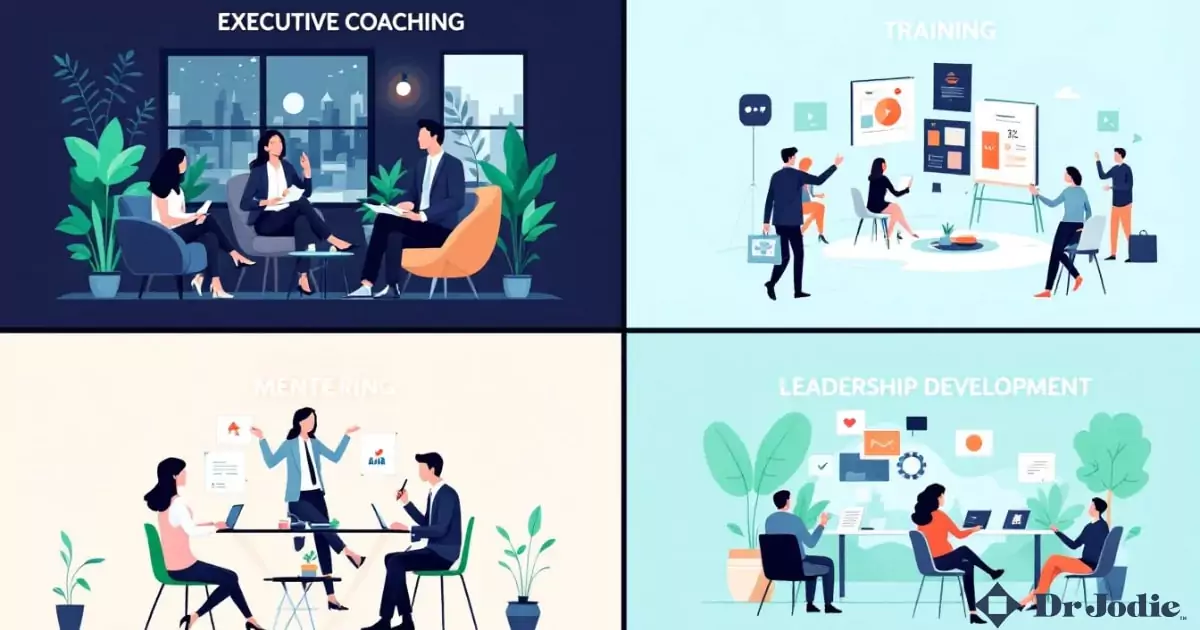
Executive coaching is distinct from mentoring in that it emphasises achieving specific objectives through a structured process, rather than relying on the mentor’s personal experiences to provide guidance.
How can organisations support executive coaching?
Organisations can effectively support executive coaching by actively involving leadership, offering constructive feedback, and promoting transparent communication regarding the coaching process. This approach enhances the coaching’s effectiveness and fosters a culture of development.