What Is a Keynote Speaker? How the Right Keynote Can Transform Your Sydney Event

What is a keynote speaker, and why does it matter for your event?
At conferences, corporate events and association gatherings across Sydney, the keynote often sets the direction for the entire event. The right keynote speaker brings focus to the event theme, connects with the audience and creates a moment that carries through the rest of the program.
A strong keynote does more than fill a speaking slot. It gives the audience a shared idea to rally around and sets the tone for every session that follows.
What is a keynote speaker, and why do they shape the entire event?
A keynote speaker sets the central theme and tone of an event.
A keynote speaker delivers the main keynote address at a conference, corporate event or industry-specific conference. Their role is to anchor the entire event around one clear idea.
The term “keynote” comes from music. One note establishes the key for the whole piece. In the same way, a keynote establishes the direction for the whole gathering.
Unlike a guest speaker or workshop facilitator, the keynote speaker speaks to the full audience. They shape the tone, energy and intellectual focus for the entire event.
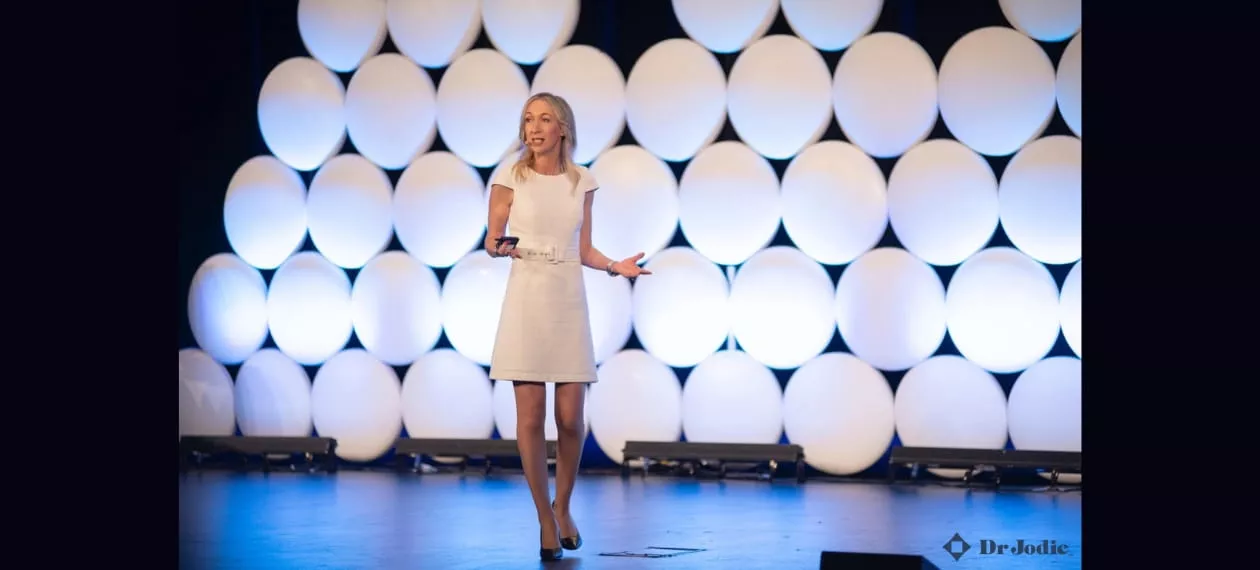
At a Sydney leadership conference, an opening keynote speaker may frame the year’s strategic priorities. A closing keynote speaker may reinforce the central theme and send attendees out with momentum.
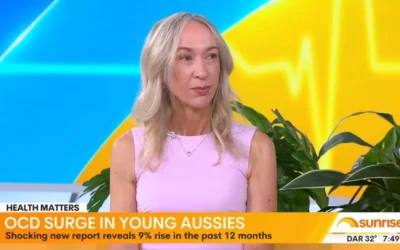
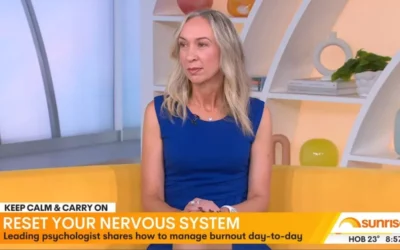
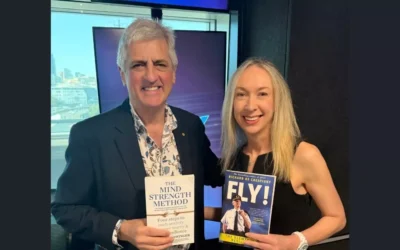
Dr Jodie Lowinger is a clinical psychologist, mental health speaker, and keynote speaker known for her Mind Strength Method. Her keynotes combine neuroscience, executive coaching, and practical tools that help leaders and teams turn anxiety into a performance advantage.
Reach out to our team to explore keynote formats that suit your audience.
What does a keynote speaker do at an event?
A keynote speaker shapes the direction, energy, and impact of the entire event.
Here are the core responsibilities of a keynote speaker:
- Sets the theme and direction
The keynote address defines the central idea that other speakers and sessions build on. It creates a shared language for the day. - Acts as a drawcard to attract attendees
A recognised industry expert, thought leader or respected professional speaker can increase registrations and boost credibility for your next event. - Aligns the message with the audience and business goals
Strong keynote speakers invest time in briefing calls and tailor content to the industry, event location and audience challenges. This avoids a canned speech that feels generic. - Delivers practical takeaways
A great keynote speaker leaves the audience with frameworks, ideas and actions they can apply immediately. Inspiration alone is not enough. - Often opens or closes the program
An opening keynote sets expectations and primes the room. A closing keynote reinforces the message and sends attendees out with clarity and momentum.
Dr Jodie Lowinger brings clinical psychology and executive coaching together on stage. Her keynotes on Mind Strength help leaders and teams turn anxiety into a performance asset. Rather than surface-level motivation, she delivers research-backed tools that sustain peak performance under pressure.
Keynote Speaker vs Guest Speaker vs MC
Many event organisers use the word “speaker” broadly. But these roles are different. Choosing the wrong type can affect your entire event.
| Role | Purpose | Timing | Length | Content Depth | Energy Role | Best For |
| Keynote speaker | Sets the central theme and tone | Opening or closing | 30 to 60 mins | Strategic, big-picture | High impact, directional | Conferences, corporate events, leadership off-sites |
| Guest speaker | Shares specific expertise | Mid-program | 20 to 45 mins | Topic-focused | Informative | Industry-specific conference sessions |
| MC (Master of Ceremonies) | Hosts and manages flow | Throughout the entire event | Short segments | Minimal content ownership | Maintains energy and timing | Awards nights, large corporate events |
Key differences explained
A keynote speaker delivers the main keynote address to the full audience. They are the highlight and often influence attendance numbers. Many event planners select a keynote early because it helps attract attendees and shape marketing.
A guest speaker contributes specialist insight. They may be industry experts discussing product developments, trends or case studies. They support the event theme but do not anchor it.
An MC does not deliver a keynote speech. They introduce other speakers, manage transitions, handle speaker logistics and keep the run sheet on track. A strong MC ensures professionalism but does not carry the strategic weight of a keynote.
Types of Keynote Speakers (And Where They Fit)
The right choice depends on your event theme, audience, and goals.

Motivational or Inspirational Keynote Speakers
- Sales kickoffs
- Awards nights
- Large team gatherings
- School conferences or education summits

Industry Expert or Thought Leader Keynote
These keynote speakers are recognised as industry experts or thought leaders. They bring subject authority backed by experience, published work, or executive roles.
They are common at:
- Industry-specific conferences
- Association summits
- Leadership forums
Audiences value depth and relevance. Reviewing full presentation videos helps confirm their presentation style matches your event.
Dr Jodie Lowinger fits this category, with a distinct edge. As a clinical psychologist, executive coach and founder of the Mind Strength Method, she combines research, real-world application and strategic insight. Her keynotes address anxiety, leadership and peak performance through an evidence-based lens.

Celebrity Keynote Speaker
Celebrity speakers are known from entertainment, sport or media.
They suit:
- High-profile conferences
- Major corporate celebrations
- Large public events
The trade-off is cost and relevance. Celebrity keynote speaker fees are often higher. Event planners should assess whether name recognition aligns with the event theme and business goals.

Performance and Leadership Keynote
This style focuses on peak performance, leadership capability and sustainable success under pressure.
It suits:
- Executive offsites
- Senior leadership conferences
- Strategy launches
Audiences want tools they can apply immediately.
When shortlisting possible keynote speakers, be precise in your search. Include your industry name, conference theme and event location. For example, “Sydney leadership keynote anxiety” will produce better results than a generic search.
Once you identify possible keynote speakers, watch full presentations. Look beyond highlight reels. Check whether they tailor content or rely on a canned speech.
How long is a keynote speech?
- Sales kickoffs
- Awards nights
- Events with packed programs
- The event format
- Audience energy and attention span
- Whether Q&A is included
- How the keynote fits with other speakers
How to Choose the Right Keynote Speaker for Your Sydney Event
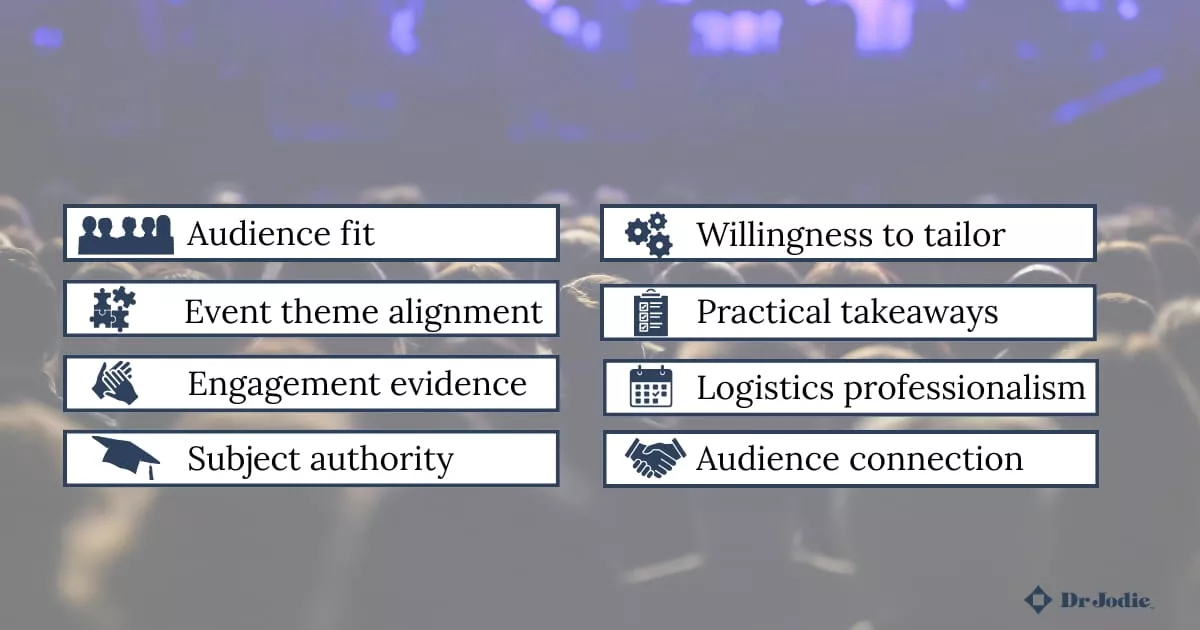
Keynote Speaker Selection Checklist
- Clear audience fit
Do they understand your industry, your seniority level, and the current pressures? - Alignment with event theme
Can they connect their keynote address directly to your conference focus? - Evidence of engagement
Watch full-length videos, not just showreels. Does their presentation style hold attention for 45 minutes? - Subject authority
Is their expertise backed by published work, executive roles or recognised credentials? - Willingness to tailor
Do they ask thoughtful questions in briefing calls? Or do they offer a standard keynote speech regardless of context? - Practical takeaways
Will attendees leave with tools and frameworks, not just inspiration? - Professionalism and logistics
Are they clear about AV needs, timing, speaker logistics and run sheets? - Calm under pressure
How do they handle unpredictability, such as tech issues or program changes? - Audience connection
Do they show authenticity and emotional intelligence on stage? - Promotion support
Are they willing to support event organisers with social media or pre-event engagement if needed?
Clarify your budget early, including expected keynote speaker fees. Confirm topic fit, tone and messaging. This reduces risk and ensures alignment.
Dr Jodie Lowinger works closely with event planners across Sydney to design tailored keynotes grounded in the Mind Strength Method. Her sessions combine clinical psychology, executive coaching and strategic insight. The focus is sustainable peak performance, not short-term motivation.
Contact Dr Jodie to talk through your audience and outcomes. We’ll recommend the right keynote style for your event.
A Simple Keynote Speaker Brief Template
| Section | Details to Complete |
| Event purpose and theme | What is the overall goal of the event? What is the central theme or message? |
| Audience details | Who will attend? Roles and seniority: Industry: Approximate size: Current challenges or pressures: What they care about most: |
| Desired outcomes | After the keynote, we want attendees to: – – – |
| Tone and energy | Energising, calm authority, humorous, direct, reflective? Opening keynote or closing keynote? |
| Program context | Other speakers before or after; how the keynote fits within the entire event |
| Logistics | Time allocation, room setup, AV requirements, Q&A included?; event location |
| What to avoid | No sales pitch, avoid jargon and sensitive topics to handle carefully |
FAQs
Can there be more than one keynote speaker?
Yes. Many conferences feature both an opening keynote speaker and a closing keynote speaker. Multi-day events may include daily plenary keynotes. Each should serve a clear purpose within the event.
Is a keynote speaker always motivational?
No. Some keynote speakers are motivational speakers focused on inspiration. Others are industry experts or thought leaders who deliver research-based insights and practical tools. The right choice depends on your audience and event theme.
What is the difference between a keynote and a guest speaker?
A keynote speaker sets the central theme and addresses the full audience. A guest speaker usually presents on a specific topic within the program. The keynote anchors the conference. The guest speaker supports it.
What should I give a keynote speaker before the event?
Provide a clear brief with your event purpose, audience profile, desired outcomes and run sheet. More context helps the keynote address align with your goals.
What does an MC do compared to a keynote speaker?
An MC manages flow across the event. They introduce speakers, keep time and maintain energy. A keynote speaker delivers the main presentation that sets direction and tone.
The right keynote sets the direction for your entire event.
If you are planning a Sydney conference or corporate event, get in touch with Dr Jodie to discuss a keynote that fits your theme and leaves your audience with clear next steps. Now you understand what a keynote speaker is and how the right one shapes an event.